
100 Faces: On Horses, Congruence, and Moments That Change Us
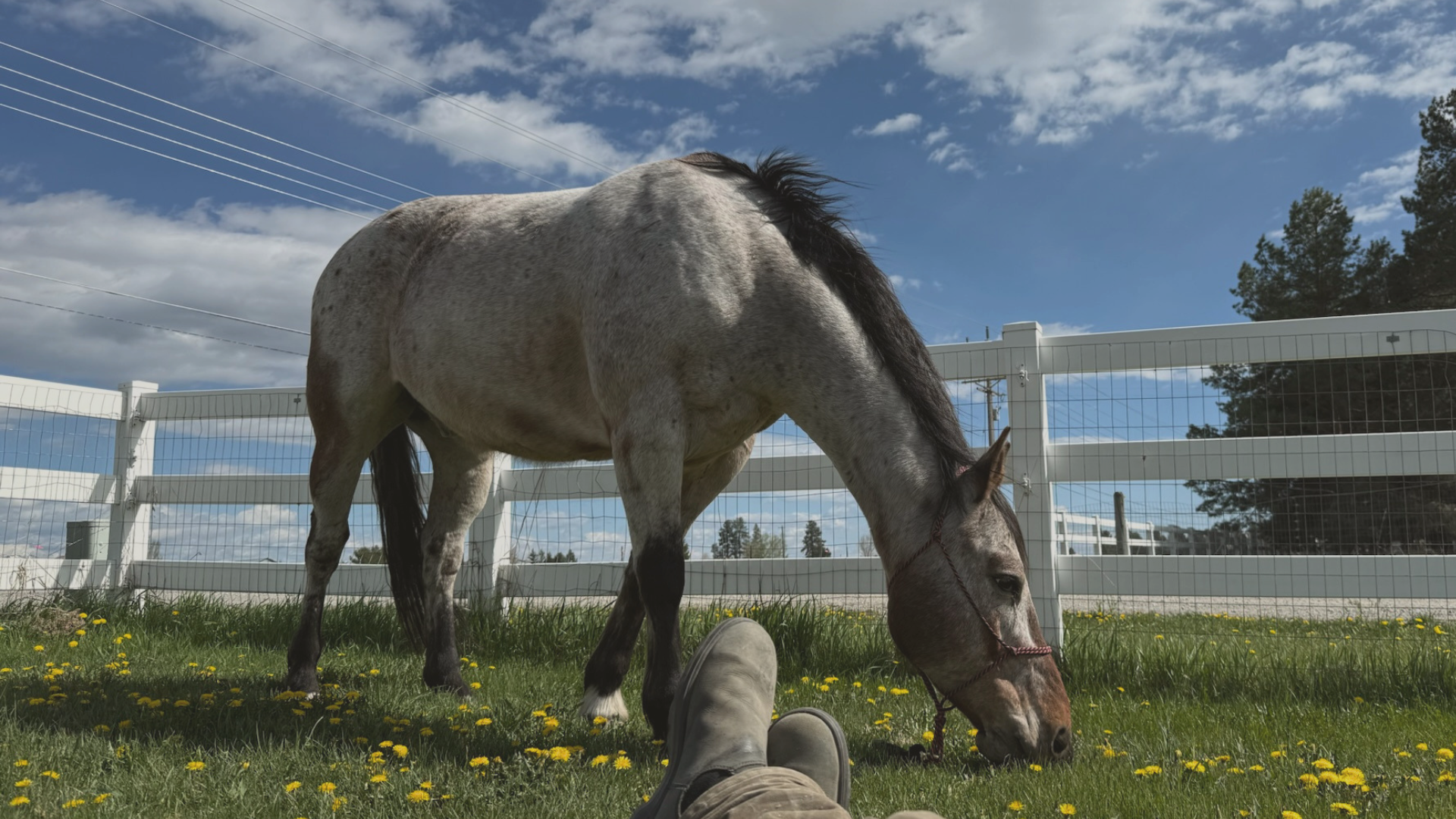
I’ve always been fascinated by how a single word or short phrase can carry so much meaning — so much gravity — through the emotion and body language beneath it. Long before I had language for it, I called this the “underlanguage”: the movements, expressions, energy, and presence underneath spoken communication.
As a kid, this fascination turned into quiet observation and experimentation. I used to entertain myself with a game I called “100 Faces.” The goal was simple: make as many expressions as possible without using words. I’d scrunch my nose, set my jaw, relax my mouth, widen my eyes. If I pictured a word like happy in my mind, I could physically express it on my face. But even happiness had layers. Happy but grieving. Happy and surprised. Happy because someone truly saw you. Each carried a different expression. A different underlanguage.
I didn’t know it then, but that fascination — the ability to feel what existed beneath words — would shape much of my life.
As a middle child and introvert, I often became an observer and mediator. I learned to read the energy of a room before stepping into it, always careful not to occupy too much space too early in case someone else needed it more. My face smiling. My heart seeking.
Then I met horses.
Or maybe they met me.
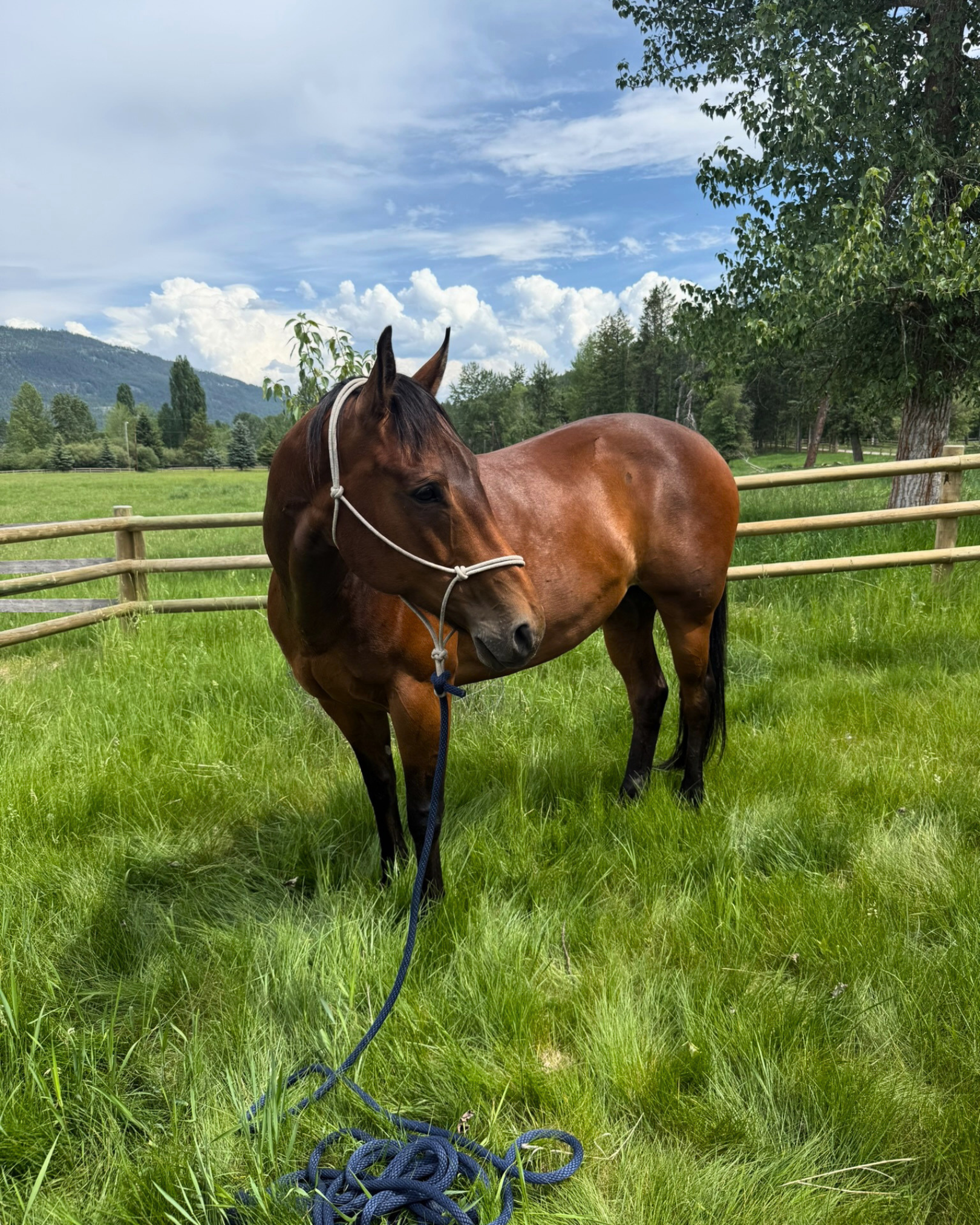
Sometimes life brings moments too large for spoken language, moments where something simply clicks without explanation. For me, one of those moments came standing in a round pen with a young sorrel gelding I’d bought from a livestock auction for three hundred dollars. Three white feet and a blaze — and he was mine.
Or so I thought.
Looking back, I realize I belonged just as much to him.
That horse changed everything because suddenly my game of “100 Faces” actually meant something. It wasn’t a distraction or a party trick anymore. It was communication.
An ear flicked toward me.
A soft eye.
A tight jaw.
Licking and chewing.
A relaxed stride.
The low gurgle of a settled stomach.
Entire conversations without a single word spoken.
And then something even deeper emerged: horses reflected my own transmissions back to me.
That young gelding did not care how clever, confident, or performative I could be. He wanted one thing and one thing only:
Congruence.
When I stepped into that corral, the face I wore had to match the young man standing beneath it. Horses have no use for masks. Over and over, I’d enter that pen carrying ideas about who I thought I should be — who people wanted me to be, who I was trying to convince myself I was. And over and over, the horse would quietly strip those masks away until alignment began to emerge.
Only then could partnership truly begin.
I stepped away from horses for nearly twenty years while pursuing a career in the military, but they never truly left me. Their lessons continued to arc through my life — through memories, through leadership, through moments where presence mattered more than performance.
Those lessons still guide me today, so much so that I now pursue certification in Equine Assisted Learning and Coaching through Equus Academy.
And why?
Because to me, it’s simple.
Why spend so much effort trying to logically access the heart when you can stand beside a living being that survives — and thrives — through care, presence, connection, and congruence?
Horses embody those things naturally. If we’re willing to slow down enough, they will reflect them back to us with remarkable honesty.
Am I a horse trainer?
Maybe. Labels help people organize the world into understandable categories. But if “horse trainer” means helping people build trust, connection, and partnership — with horses and with themselves — then I’m comfortable with the label.
The horses certainly don’t care what we call it.
They’ll simply keep waiting for the masks to come off. Waiting for us to step into care, connection, and congruence — first with ourselves, and then with the world around us.
If you’d like to experience what that feels like, I’d invite you to come spend time with the horses who continue to shape and guide the High Terrain. They still teach me daily about presence, care, connection, and a thousand other things — if I’m still enough to listen.
Still here,
Darin
